Can You Get Disability Benefits for Mental Illness? What You Need to Know About SSDI and SSI
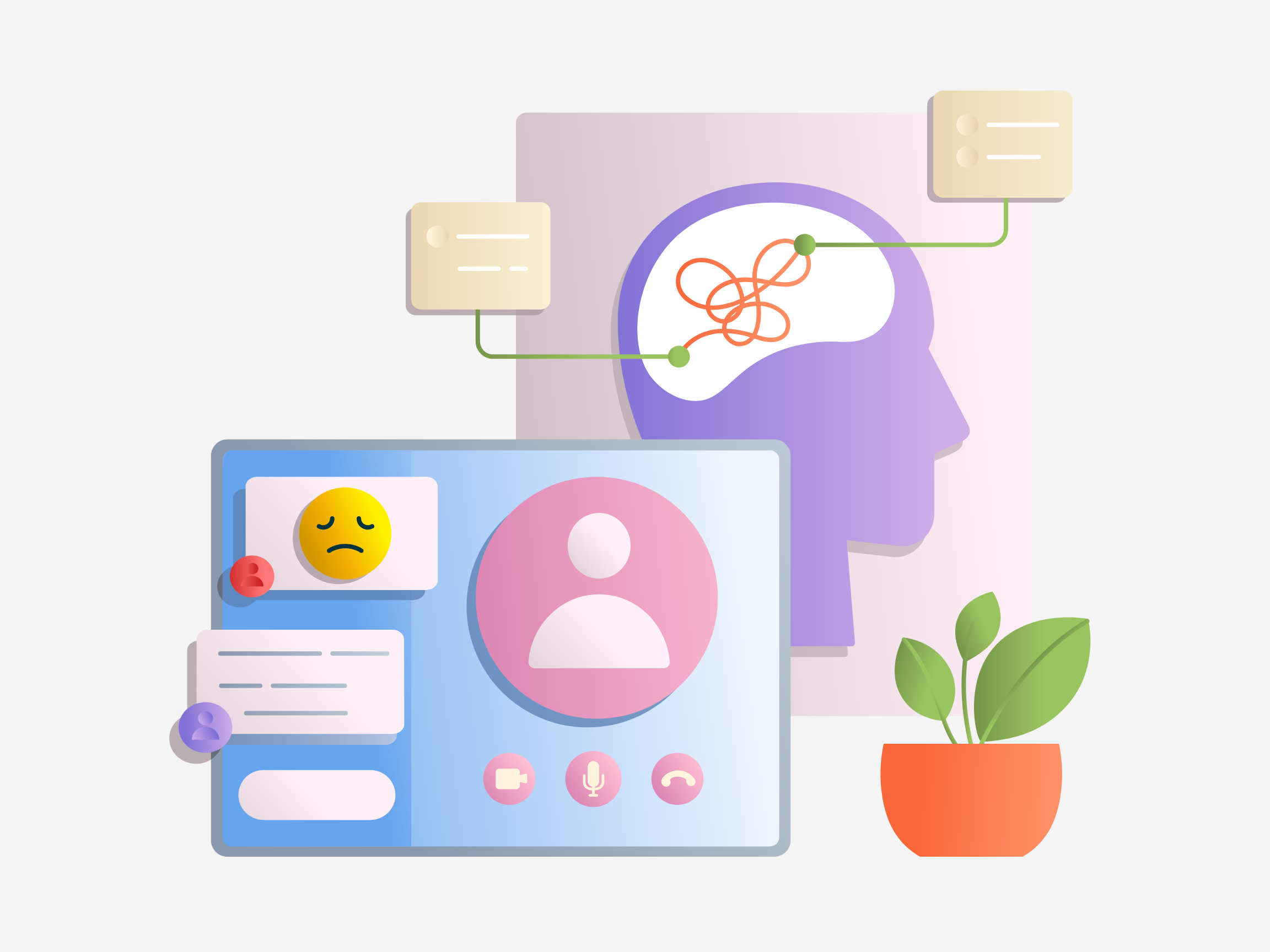
Applying for Disability Benefits with a Mental Health Impairment
Mental health conditions can affect a person’s ability to work, maintain relationships, and complete everyday activities. For some people, symptoms become severe enough that continuing to work is no longer possible.
If you are struggling with a mental illness that prevents you from working, you may be wondering: Can you get disability benefits for mental illness?
The answer is that some people with qualifying mental health conditions may be eligible for Social Security disability benefits. However, having a mental health diagnosis by itself does not guarantee approval. The Social Security Administration (SSA) looks at how your condition affects your ability to function and whether your symptoms prevent you from performing substantial work activity.
What Mental Illnesses Qualify for Disability Benefits?
The SSA recognizes many mental health conditions as potential disabilities. Some conditions that may be considered include:
-
- Depression and major depressive disorder
-
- Anxiety disorders
-
- Bipolar disorder
-
- Post-traumatic stress disorder (PTSD)
-
- Schizophrenia and other psychotic disorders
-
- Obsessive-compulsive disorder (OCD)
-
- Certain personality disorders
-
- Other mental health conditions that significantly limit a person’s ability to function
The important factor is not only the diagnosis, but the impact the condition has on your ability to work.
For example, two people may both have the same diagnosis, but their symptoms and limitations may affect their ability to work in very different ways. The SSA evaluates each disability claim individually based on medical evidence and functional limitations.
How Do You Qualify for Disability Benefits With a Mental Health Condition?
To qualify for Social Security disability benefits, you generally must show that your mental illness causes significant limitations that prevent you from maintaining consistent work activity.
The SSA may consider limitations related to areas such as:
-
- Difficulty concentrating, remembering information, or completing tasks
-
- Problems managing stress or handling workplace changes
-
- Difficulty communicating or interacting with others
-
- Trouble maintaining a regular work schedule
-
- Symptoms that interfere with daily activities or independence
The condition must also meet certain requirements, including being expected to last for at least 12 months or result in death.
How Do You Prove Depression, Anxiety, or Other Mental Illness Prevents You From Working?
One of the most important parts of applying for disability benefits for mental illness is providing evidence that shows how your condition affects your ability to work.
Medical documentation can help demonstrate the severity of your condition. This may include:
-
- Records from doctors, therapists, psychologists, or psychiatrists
-
- Treatment history
-
- Medication records
-
- Hospital or emergency treatment records
-
- Notes describing symptoms and limitations
It is also important to explain how your symptoms affect your daily functioning. A disability claim is not based only on having a diagnosis — it is based on how that condition limits your ability to perform work-related activities.
For example, explaining that you have anxiety is important, but additional details about how anxiety affects your ability to concentrate, interact with others, handle workplace stress, or maintain attendance may help provide a clearer understanding of your limitations.
Can a Disability Advocate Help With a Mental Illness Disability Claim?
The disability application process can be complicated, especially when you are already managing symptoms that make paperwork, appointments, and communication difficult.
Some people choose to work with a qualified disability advocate who can help them better understand the process and what information may be needed to support their claim. An advocate may assist with organizing documentation, collecting medical records, preparing paperwork, communicating with the SSA, and helping explain next steps.
A qualified advocate cannot guarantee approval, and only the SSA can make the final decision about whether someone qualifies for disability benefits. However, having support during the process may help make it easier to understand what is required.
Start Understanding Your Disability Benefits Options
Applying for SSDI or SSI with a mental health condition can feel overwhelming, but you do not have to navigate the process without information or support.
If you are unsure what options may be available for your situation, consider taking a free evaluation to see if support may be available. A qualified disability advocate can help you better understand the process, what documentation may be needed, and what steps you may be able to take next.
Every situation is different, and eligibility is determined by the SSA. But learning what the process involves can help you feel more prepared when applying for disability benefits.
Need Help with Your Disability Claim?
Don't navigate the complex disability benefits system alone. Our experienced advocates can help you understand your options and maximize your chances of approval.


